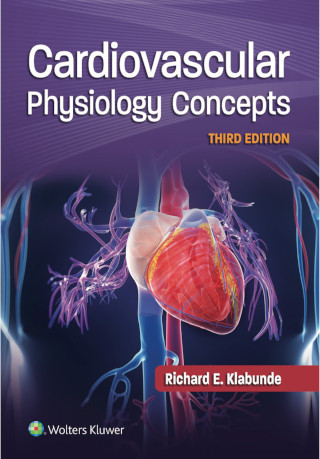
 Cardiovascular Physiology Concepts, 3rd edition textbook, Published by Wolters Kluwer (2021)
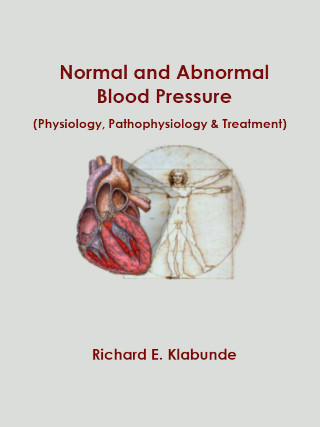 Normal and Abnormal Blood Pressure, published by Richard E. Klabunde (2013)
Guided Learning - Pressor Drugs
(NOTE: Turn off or override browser pop-up blockers.)
- What are "pressor" drugs and for what conditions are they used? click here
- What is the rationale for stimulating the heart and constricting the systemic vasculature in the treatment of arterial hypotension? click here
- What is the difference between sympathomimetic and non-sympathomimetic pressor drugs in terms of how they act? click here
- What signal transduction pathways are activated for the following sympathomimetic receptor agonists, and how do these drugs increase arterial pressure?
- Why are sympathomimetic drugs contraindicated in patients having coronary artery disease? click here
- How are vasopressin analogs used in the treatment of hypotension associated with hypovolemic, cardiogenic, and septic shock? click here
- What is the mechanism of action of vasopressin analogs? click here
Revised 10/28/2023
 Twitter
 Telegram
 LinkedIn
 WhatsApp
 Facebook
 Reddit