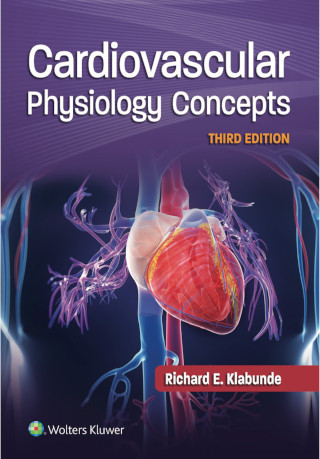
 Cardiovascular Physiology Concepts, 3rd edition textbook, Published by Wolters Kluwer (2021)
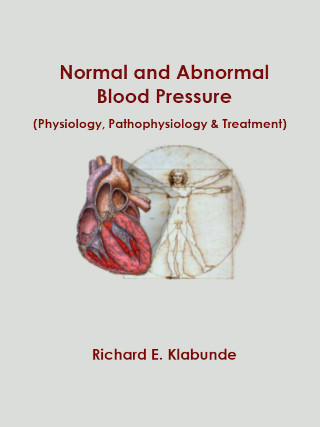 Normal and Abnormal Blood Pressure, published by Richard E. Klabunde (2013)
Guided Learning - Pharmacologic Treatment of Heart Failure
(NOTE: Turn off or override browser pop-up blockers.)
Pathophysiology of Heart Failure
- What is heart failure? click here
- What are several conditions that cause heart failure? click here
- What is the difference between systolic and diastolic heart failure? click here
- How does systolic dysfunction alter ventricular stroke volume, end-systolic and end-diastolic volumes, and ejection fraction? click here
- What cellular alterations can cause systolic and diastolic dysfunction? click here
- How does diastolic dysfunction affect ventricular stroke volume, ventricular end-diastolic volume and pressure, and ejection fraction? click here
- What neurohumoral changes occur in heart failure, and how do they help to compensate for the failing heart? click here
- How does the renin-angiotensin-aldosterone system function as a compensatory mechanism in heart failure? click here
- How do natriuretic peptides that are released by the heart serve as counter regulatory mechanisms to the renin-angiotensin-aldosterone system? click here
- By what mechanism does heart failure cause either pulmonary or systemic edema? click here
Drugs for Heart Failure
- What is the rationale for using the following drugs in treating heart failure? click here
- diuretics
- arterial and venous vasodilators
- positive inotropic (cardiotonic) drugs
- How does treatment for systolic dysfunction differ from the treatment of diastolic dysfunction? click here
- Why does increasing cardiac output in heart failure patients reduce pulmonary and systemic edema? click here
- How do each of the following mechanistic classes of drugs improve cardiovascular function in heart failure? What specific drugs (generic names) are FDA-approved in each of these classes?
- aldosterone receptor antagonists
- angiotensin converting enzyme inhibitors (ACE inhibitors)
- angiotensin receptor blockers (ARBs)
- beta-agonists (sympathomimetic drugs)
- beta-blockers
- calcium-channel blockers (for diastolic dysfunction)
- cardiostimulatory drugs
- cardiac glycosides (digoxin)
- direct acting arterial dilators
- diuretics (loop, thiazide and potassium-sparing)
- funny current blockers
- neprilysin inhibitors
- nitrodilators
- phosphodiesterase inhibitors
- sodium-glucose cotransporter 2 inhibitors
Revised 10/28/2023
 Twitter
 Telegram
 LinkedIn
 WhatsApp
 Facebook
 Reddit